
Are you wondering, “How Do I Sell Close to Expiry Grocery Inventory?” If so, you’re not alone because virtually every retailer, distributor, and manufacturer eventually runs into this problem. Products sit a little too long, demand shifts, or forecasts miss the mark on how many will actually sell, which all causes an overload of items that are a ticking time bomb as the expiration date gets closer. Suddenly, you’re staring at inventory that’s losing value every day that it sits in your warehouse.
Luckily, close-to-expiry inventory is not worthless. In fact, there’s a full secondary market built specifically for it, so there is hope that you can move the inventory. The key is knowing how to move quickly, protect your brand, and recover as much value as possible before that inventory turns into a complete loss.
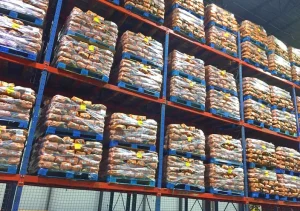
Why Close to Expiry Inventory Is a Bigger Problem Than You Think
When grocery inventory gets close to its sell-by date, time becomes your biggest enemy in moving it. The closer a product gets to expiration, the fewer traditional buyers are willing to take it and run the risk of it expiring before they move the items.
That’s where the concept of distressed inventory comes into play. Once a product can’t be sold through your normal channels at full price, it starts to lose its value rapidly.
What Counts as “Close to Expiry”?
Before you sell anything, you need to understand what you’re actually working with when you have a warehouse full of close-to-expiry items.
“Close to expiry” (also called short-dated or near-dated) generally refers to products that still have some shelf life left, but not enough to sell through traditional retail channels.
This could include things like products that only have 30 to 120 days left. Sometimes seasonal items that have missed their sale window, ones that have undergone packaging changes, have discontinued SKUs, or which were returned/overproduced.
Different buyers define “close to expiry” differently, so always remember that labeling and transparency matter when you’re selling into the secondary market.
Why You Shouldn’t Wait to Act
One of the biggest mistakes businesses make is waiting too long to try to move their items.
Close-to-expiry inventory doesn’t lose value gradually; instead, it drops off fast. The longer it sits, the fewer options you have to move it and turn any type of profit or, at the very least, make your money back.
At a certain point, retailers won’t take the items. Even discounts won’t move them, so disposal becomes your only option.
That’s why speed is everything. The earlier you act, the more value you can recover on your items.
The Real Cost of Doing Nothing
It’s easy to underestimate how expensive unsold inventory really is to your company. You face high storage costs, labor/handling expenses, and disposal fees.
Selling close-to-expiry inventory isn’t just about making money back, but about minimizing loss and keeping your operation efficient.
Move Fast, Recover Value, Stay Efficient
Are you struggling to answer the big question, “How Do I Sell Close to Expiry Grocery Inventory?” The solution comes down to speed, strategy, and the right partners. The secondary market exists for a reason. There are buyers ready to take that inventory off your hands so you can at least break even. You just need to reach them before your product loses all value.
If you’re sitting on close-dated or slow-moving grocery inventory, don’t wait until it becomes a total loss. Work with a trusted partner like Lewisco to move your inventory quickly and recover as much value as possible. Call Lewisco Holdings at (917) 651-0101 or contact Lewisco today to get started.